How to treat irritable bowel syndrome
Health

How to treat irritable bowel syndrome

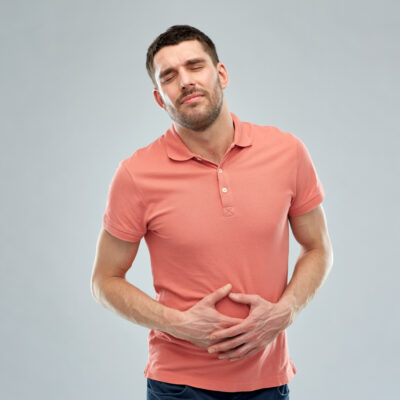
Irritable bowel syndrome (IBS) is an intestinal disorder that causes pain in the stomach accompanied by diarrhea and constipation. The discomfort that has no definite diagnosis. The doctor will need to study the affected person’s medical history, conduct tests, and subject you to a physical examination. The test may be fairly exhaustive to establish IBS. The treatment for irritable bowel syndrome will depend on the type. There are three different types depending on the symptoms, which are constipation-predominant, diarrhea-predominant, or mixed. The treatment is tailored based on the type so that one can lead a normal life while being treated. Since many things can trigger IBS, like certain medications, emotional stress, and certain foods, the first step would be to identify these and make a lifestyle change if required. Some may even require counseling. The triggers of IBS that should be avoided include: 1. Animal dairy Milk, yogurt, and cheese contain fat, which can increase the chances of diarrhea. Some are also lactose intolerant. You may want to consider rice milk or soy cheese instead. You may require a calcium supplement when you do this. 2. Gluten Gluten, a type of protein that causes symptoms like diarrhea, is predominant in IBS due to poor absorption of nutrients.
Read More
All you need to know about treating thyroid disease
Health

All you need to know about treating thyroid disease

The thyroid is a small butterfly-shaped gland present below the larynx in the throat. It controls the rate of metabolism, i.e., the body’s function of assimilation of the food we eat is the responsibility of this gland. Also, an adequate amount of T4 and T3 hormones are produced by the thyroid gland by absorbing iodine from the food we eat. The thyroid gland monitors how much energy is produced and how it is used, determines the performance of the vital organs in the body like heart rate, breathing, and the functioning of the central nervous system. The thyroid also regulates body weight and temperature, and controls muscle strength, menstrual cycles, and cholesterol levels. The thyroid-stimulating hormone (TSH), which is controlled by the pituitary gland, transmits instructions to the thyroid gland on how much hormones must be released into the bloodstream. The malfunctioning of the thyroid gland results in thyroid disease. When the thyroid gland produces more than the necessary thyroxine hormones for the appropriate functioning of the body, energy is used much faster than normal and this condition is called hyperthyroidism. Likewise, when fewer thyroid hormones are produced by an under-active thyroid gland, the energy needs of the body are not met and this is called hypothyroidism.
Read More
Are there any alternative treatments to cure breast cancer
Health

Are there any alternative treatments to cure breast cancer

Being diagnosed with breast cancer might come as a shock to most people, and coming to terms with it would certainly take time. There are many conventional breast cancer treatments available like surgery, chemotherapy, radiation therapy, targeted therapy, and hormone therapy. But the illness itself, and the possible side effects of these treatments can completely change the way patients look physically and consequently alter how they feel emotionally too. Hence, here are a few alternative treatments for breast cancer for patients who care more about their quality of life rather than their longevity: 1. Breast cancer diet For healing from within, breast cancer patients could begin by first making basic but important changes in their diet. Shifting to a detoxifying diet can be the first step. Increasing the consumption of organic or natural plant-based foods, including more fresh fruits and vegetables, whole grains, green tea, turmeric, and cold-pressed nut and seed oils that are rich in antioxidants, vitamins, minerals, and omega 3 fatty acids can be effective. This would sufficiently reduce the intake of processed flour, sugar, excessive salt, red meats, and packaged foods that invariably contain unhealthy fats and chemical preservatives that are harmful to the body. Wholesome, nutritious meals will help revitalize the body and make the immune system stronger.
Read More
Alternative treatments for colon cancer
Health

Alternative treatments for colon cancer

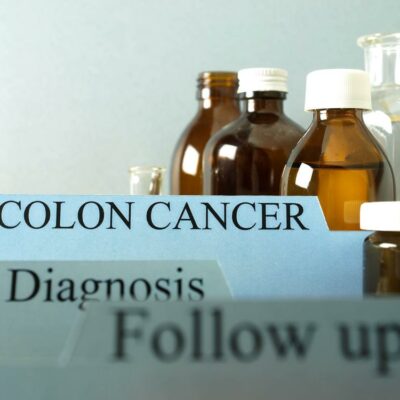
The size of the tumor in the colon, at what stage it is in, and how advanced it is determines the method of treatment used. When cancer patients start to discuss treatment options available, they also discover there are quite a few side effects for many of these therapies. When colon cancer is diagnosed, the first objective would be to remove the cancerous growth and existing malignant cells from the body. In the long run, however, the side effects of the treatment must be supervised carefully. What impact each treatment for colon cancer could have on the patient must be explored in detail with the concerned team of medical professionals. Standard treatments like surgery, chemotherapy, targeted therapy, radiation therapy, clinical trials, and immunotherapy are frequently discussed. However, here are a few complementary and alternative treatments for colon cancer. Complementary and alternative treatments for colon cancer do not offer to cure the disease. But, in the long run, they help strengthen the effectiveness of conventional treatment methods and improve the physical and mental well-being of the patient. These include: 1. Lifestyle changes Healthy lifestyle changes like increasing physical activity and following Kinesiology help maintain a better quality of life. Brisk walking, moderate jogging, or swimming for a minimum of 30 minutes regularly is beneficial to keep the body fit.
Read More
All you need to know about the risk factors of bladder cancer
Health

All you need to know about the risk factors of bladder cancer

Urinary bladder cancer is a prevalent disease that affects the urethra and linings of the bladder. Urothelial cancer occurs in high ratios as compared to the other types such as squamous cell carcinoma and adenocarcinoma, which account for a low number of cases reported in the country. Squamous cell carcinoma is cancer in the lining of the bladder. It may cause chronic irritation in the bladder resulting in constant infections. Squamous cell carcinoma is broadly classified as skin cancer as it originates in the tissues. But it falls under the urinary bladder cancer group if it manifests in parts of the bladder. The squamous cell carcinoma in the urinary bladder may be a result of prolonged use of the catheter. Some of the obvious risk factors of squamous cell carcinoma are: 1. Age Age can be a comprehensive risk associated with bladder cancers. Old age urinary bladder cancer is quite a common condition. 2. Smoking As smoking in any form excretes hazardous chemicals through urine that passes through the bladder, the chances of squamous cell carcinoma or any other bladder cancer, maybe a high probability for regular smokers. 3. Race and gender White men are at an increased risk of contracting bladder cancer than others.
Read More
All you need to know about rare types of anemia
Health

All you need to know about rare types of anemia

When you feel weak and tired, and experience shortness of breath, it could be a classic symptom of anemia. This condition occurs when the red blood cells, through which oxygen is supplied to our entire body, are unable to produce ample amounts of oxygen. This can also happen when the red blood cells are not productive and are not working efficiently. Iron deficiency anemia is the most common type of anemia, but there are other types that are rare and affect a small number of people. Some of these rare types of anemia are as follows: 1. Hypoplastic anemia This type of anemia could be due to an inherited gene from your parents or it could be acquired. Acquired hypoplastic anemia is more commonly experienced. In this condition, the stem cells in the bone marrow are damaged and are not able to make enough new blood cells. Stem cells produce blood cells in the bone marrow. 2. Sideroblastic anemia In this group of blood disorders, the body is unable to use the iron to produce hemoglobin, which is the protein that carries oxygen to the blood. The build-up of iron causes the formation of abnormal red blood cells known as sideroblast.
Read More
Treatment options for different types of viral Hepatitis
Health

Treatment options for different types of viral Hepatitis

The different types of viral hepatitis can grow to become very chronic with time. These conditions do not show clear symptoms in the initial stages. The symptoms usually do not occur until the liver damage is significant. While acute hepatitis is quick to show symptoms such as dark urine, pale stool, loss of appetite, fatigue, and flu-like symptoms. In chronic cases, the symptoms develop slowly. As soon as the symptoms are noticed, it is important to consider the various treatment options that are available to treat the different types of hepatitis accordingly. Following are the types of Hepatitis: 1. Hepatitis A This condition is usually a short-term illness and hence, doesn’t require treatment. If the symptoms tend to cause a lot of inconvenience to the individual, bed rest might be suggested. Hydration and nutrition should be properly taken care of and monitored to keep a check on the possibilities of diarrhea and vomiting. Vaccines are available for this type of hepatitis. Children between 12 and 18 months of age can begin to take these vaccines. 2. Hepatitis B If the condition is acute, it doesn’t require any specific treatment. However, if the condition has grown to become chronic, antiviral medications would be prescribed.
Read More
Types of ulcers one should be aware of
Health

Types of ulcers one should be aware of

An ulcer is one of the most uncommon conditions, It comes up as a painful sore and takes quite some time to heal. The condition also usually recurs. The different types of ulcers are classified based on the location that they appear at, the symptoms that they induce in the body, and how they appear. Ulcers can usually occur on any part of the body. They can extend from occurring on the outer layer of the skin to the inner layer of the stomach. The following are the types of ulcers you should be aware of: 1. Peptic ulcers These ulcers are the sores and wounds which develop on the inner lining of the stomach, the upper portion of the small intestine, or the esophagus. They are formed by the digestive juices when they damage the walls of the intestine. However, the ulcers are caused due to inflammation by a bacterium called helicobacter pylori. Usage of painkillers for a long time can also lead to these ulcers. 2. Arterial insufficiency ulcers These ulcers are also known as ischemic ulcers. They occur as open sores on one’s feet, heels, toes, and the outer side of the ankles. When the blood flow to different tissues gets blocked in the arteries, these ulcers are formed.
Read More
A guide to understanding the Whole30 diet
Health

A guide to understanding the Whole30 diet

The effects of unhealthy food tend to build up and can cause several health issues, even chronic ones, over time. The Whole30 diet is a cleansing diet developed to cleanse the system of all the negative effects of unhealthy food choices we have been making over time. It is a form of nutritional reset that many are trying to inculcate and exclude cravings and food sensitivities. The goal of this diet is to ensure that there is no hormonal imbalance. It also promotes a healthy sleeping pattern by eating healthy and prevents the development of health constraints in the long term. Going on a simple 30-day experiment enables you to not only understand how food has been impacting health and lifestyle but also promote a better way of life for yourself. 1. Is the Whole30 necessarily a diet? Removing particular foods from your regular eating habits will be started with the elimination of foods considered harmful for you for 30 days. Then, you can slowly reintroduce them to determine which of them have negative effects on your body and health and choose to leave them out permanently to avoid their ill effects. The Whole30 diet is not one that fits in with the customary definition of a diet.
Read More
Complications for Atrial Fibrillation
Health

Complications for Atrial Fibrillation

Atrial Fibrillation, commonly referred to as AFib or AF, is an arrhythmia (irregular heartbeat) that can lead to other health issues. Some of the symptoms of AFib include chest pain, difficulty breathing, lightheadedness, dizziness, weakness, chronic fatigue, inability to exercise, and heart palpitations. AFib is caused by the inability of electrical signals to pass between the four chambers of the heart properly. People that suffer from lung diseases, viral infections, sleep apnea, or heart attacks will have more atrial fibrillation risks. Serious complications can arise for those suffering from AFib: 1. Blood clots When AFib occurs and electrical signals are not being passed through the heart properly, the blood that is supposed to be filtered and then pumped out becomes trapped in the chambers of your heart. This blood pools in the heart and causes the formation of blood clots. The blood clots can travel throughout the body if they become loose. Blood clots restrict the flow of blood through the body and can be fatal if left untreated. Many people who suffer from AFib are put on blood thinners in an effort to prevent blood clots from forming. 2. Stroke A stroke occurs due to an abrupt interference with blood supply to the brain.
Read More